Reflections from the AWEC Symposium 2026, and what it means for closing the sector’s capability gap.
Heavy engineering is short on people. Not enough are entering the profession, and too many skilled engineers, particularly women, leave before reaching senior roles. As experienced staff retire, that gap widens.
Supporting women to stay and lead isn’t a side issue. It’s part of solving the shortage. Every engineer who leaves early is talent the sector spent years developing and can’t easily replace.
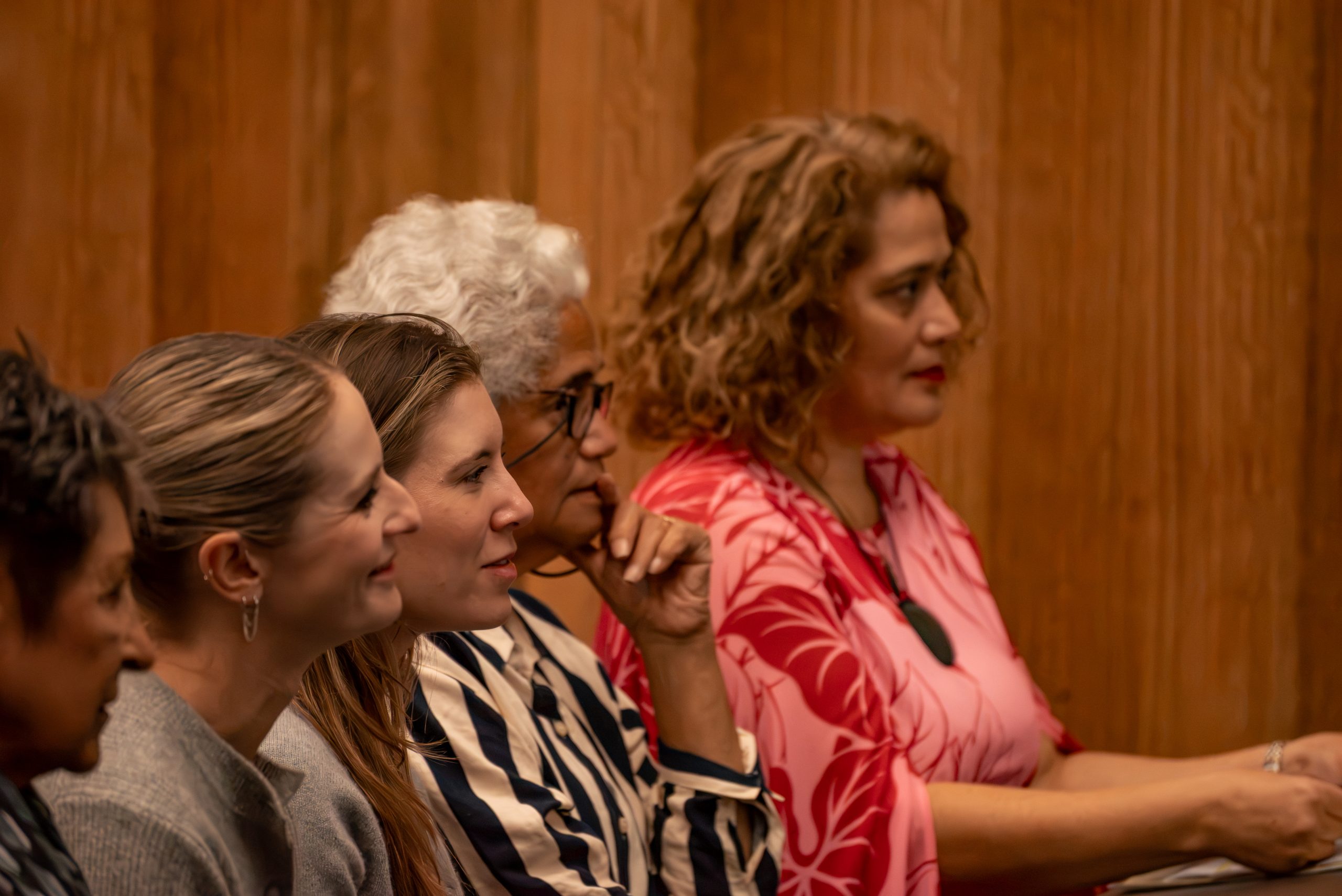
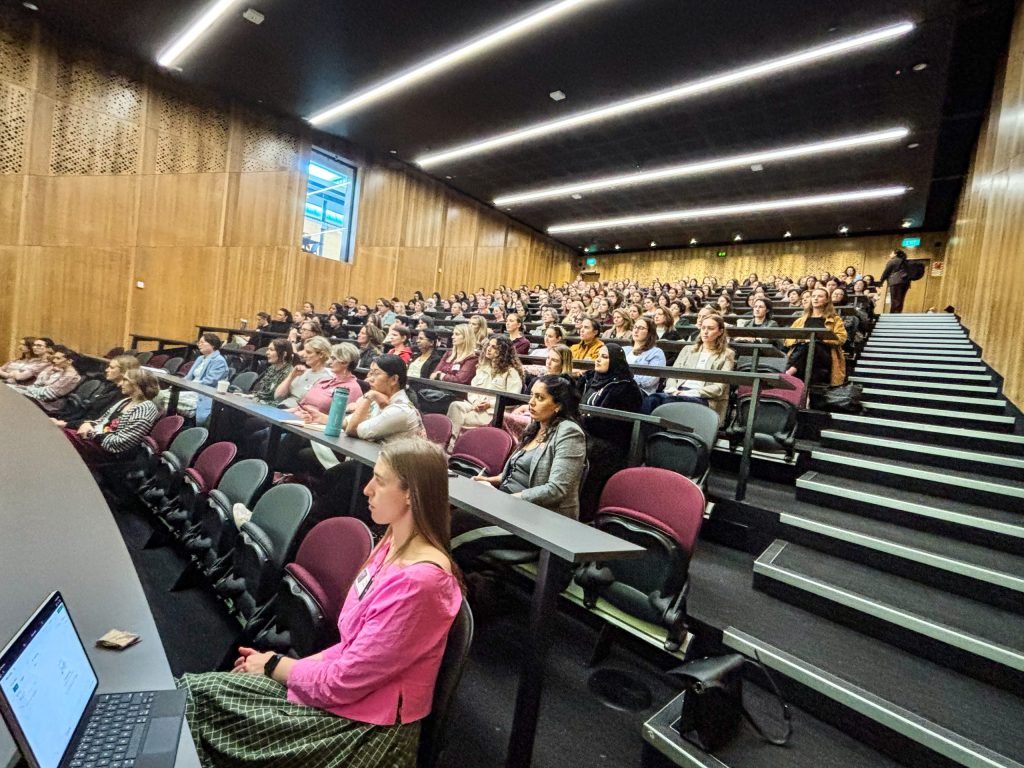
Last month, HERA sponsored the AWEC (Advancing Women in Engineering & Construction) Symposium in Tāmaki Makaurau (Auckland). Ronita Kishore and Maryam Hasanali attended on our behalf. Here’s what stood out, and what it means for HERA members.
Confidence isn’t the same as capability.
Organisations often recognise and reward the loudest voice in the room. It’s rarely the same as whoever’s doing the best work. If development opportunities default to who speaks up, capable engineers get passed over and the pipeline narrows.
Worth checking: how does your organisation identify future technical leads and mentors? Capability should show in the work, not just in the meeting.
Culture beats policy
Day-to-day leadership does more for retention than any handbook, it’s usually the supervisor who backs them day to day that makes the difference.
Mentoring someone, or calling out bias when it happens, just takes attention. Most teams have the intent. Fewer have carved out time for it.
People leave when they can’t be themselves
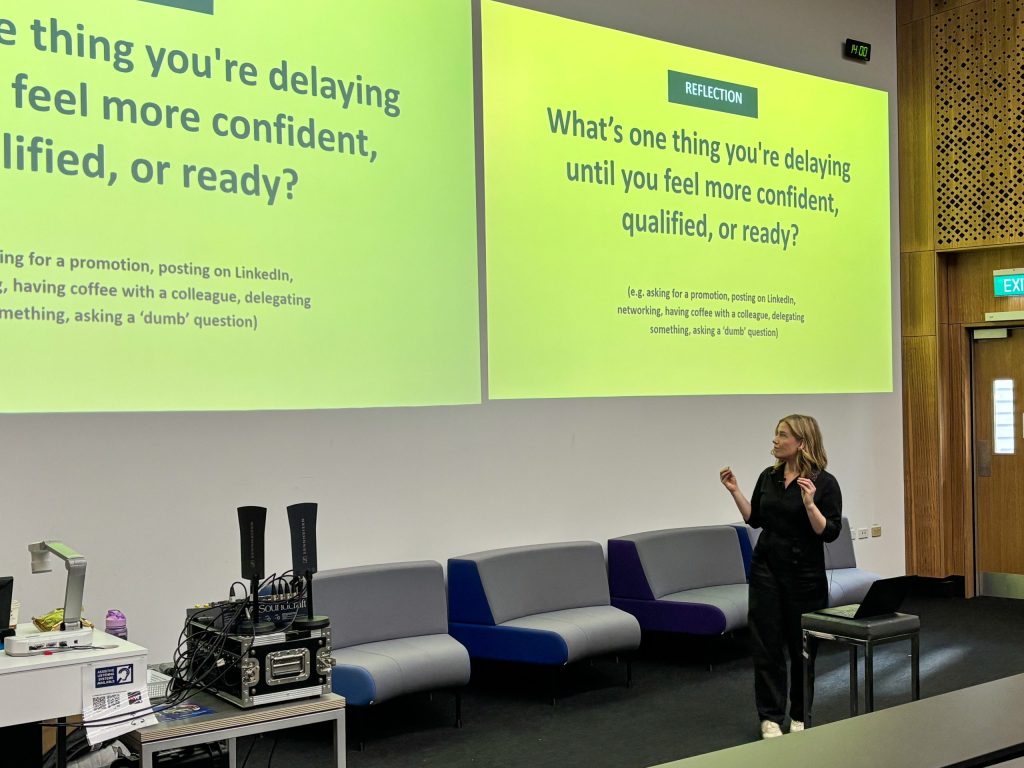
A workshop on the Circle of Influence made the case that change happens at every level: individual, team, organisation, and industry. The clearest message was that day-to-day leadership matters more than most organisations credit. A supportive supervisor has more effect on whether someone stays and thrives than any formal policy sitting in a handbook.
That’s a practical takeaway for HERA members running technical teams. Mentoring, active listening, and calling out bias in the moment cost nothing but attention, and they do more for retention than a policy document nobody reads. It also reframes how success should be measured: not by representation numbers alone, but by whether people are being developed and genuinely given a shot at leadership.
There’s a real difference between fitting in and belonging. Fitting in means managing how you’re perceived: staying quiet, softening your tone, prefacing ideas with “this might be wrong, but…”. Belonging means not having to.
Engineers who spend energy managing perception rather than doing their best work are more likely to leave. Are we, as an industry, still asking people to fit in, rather than building workplaces where they don’t have to?
Building a pipeline that holds
Real capability comes from policies and culture that help many people grow at the same time.
A strong pipeline means the technical knowledge is spread across a team. Heavy engineering doesn’t rely on a single beam to hold up a structure.
Good design accounts for who gets missed
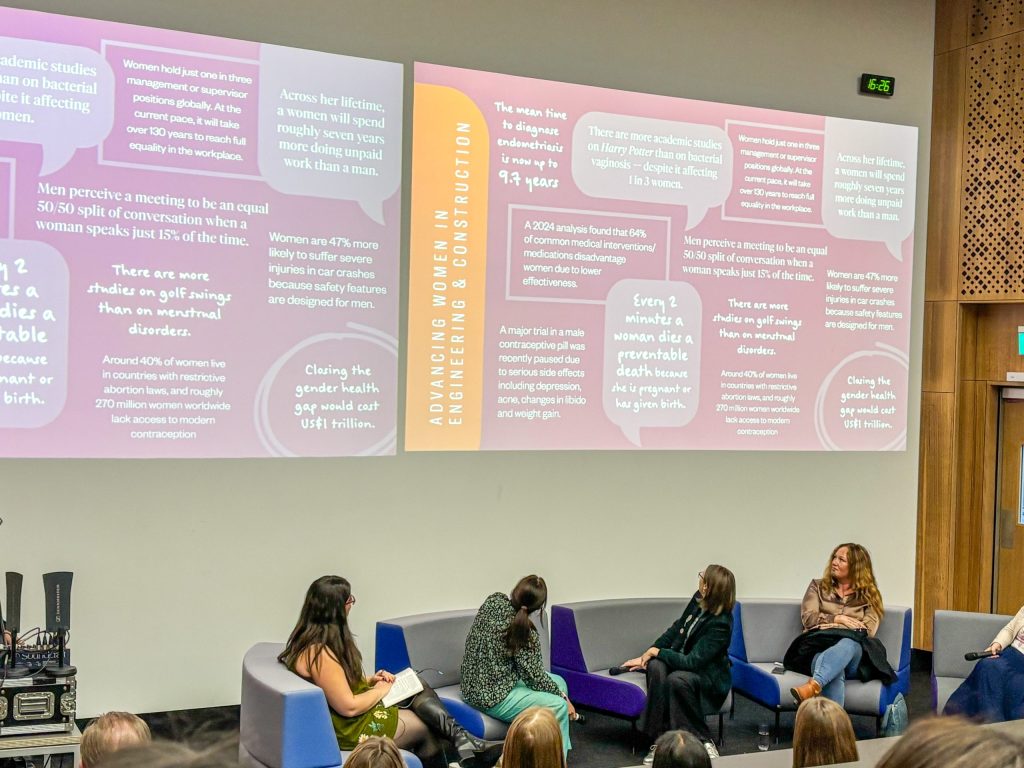
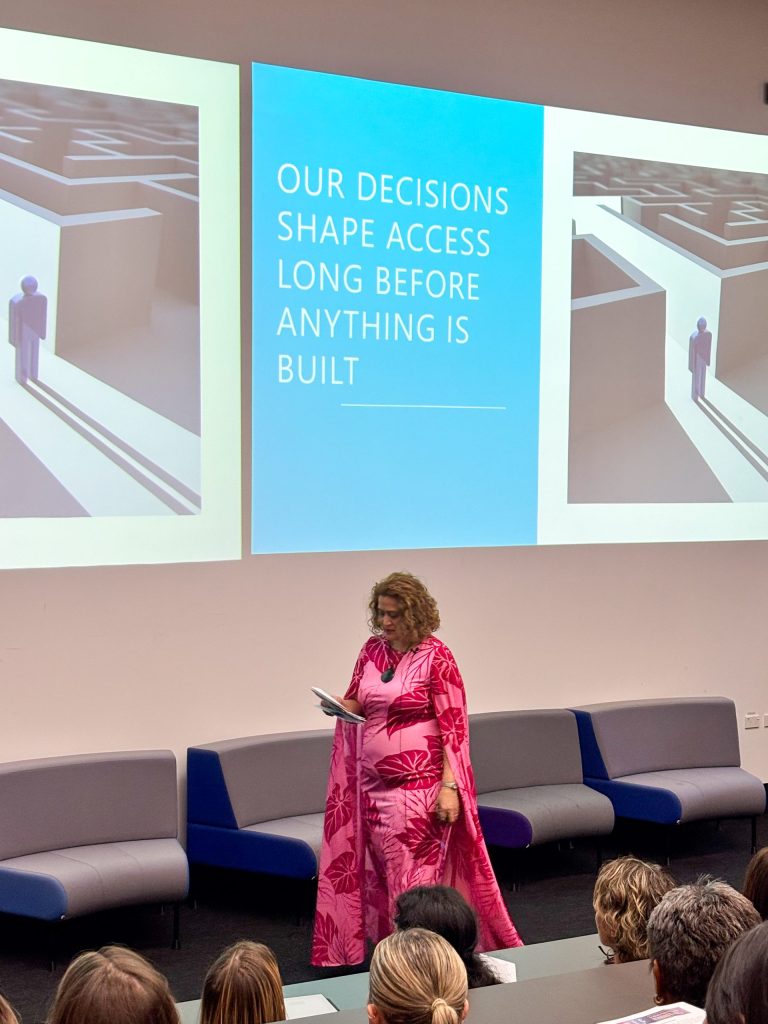
The closing panel looked at leadership and design through mana wahine (women’s authority and standing) and lived experience, pointing to gaps in safety design, product design, and leadership representation that affect outcomes broadly, not just one group.
Worth asking on your next project: who’s the default user or worker, and who’s been designed around rather than for?
“AWEC highlighted that strong industries are built by people. Creating workplaces where talent can grow, contribute, and stay is essential to strengthening the long-term capability of Aotearoa New Zealand’s construction sector.” – Ronita Kishore
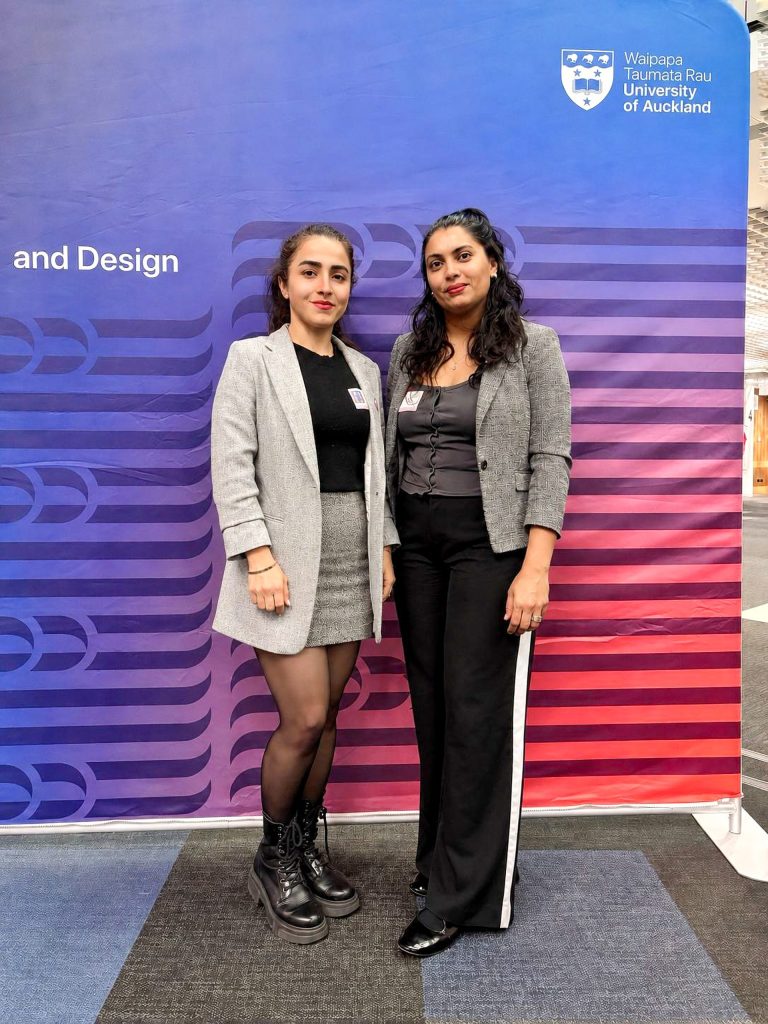
“Creating a more inclusive profession is not about helping individuals fit in; it is about building workplaces where everyone can belong and thrive.” – Maryam Hasanali
What HERA is doing about it
Closing the capability gap takes active work, not just conversation. That’s why HERA sponsors events like AWEC, and why workforce capability sits at the centre of what we do. Through our training, research, and industry connections, we’re building the skilled workforce heavy engineering needs now and the pipeline it needs for the future.
Ka pai (well done) to Ronita and Maryam for representing HERA and the wider wāhine (women) in heavy engineering and the wider construction sector.
Learn more about the event here: AWEC Symposium