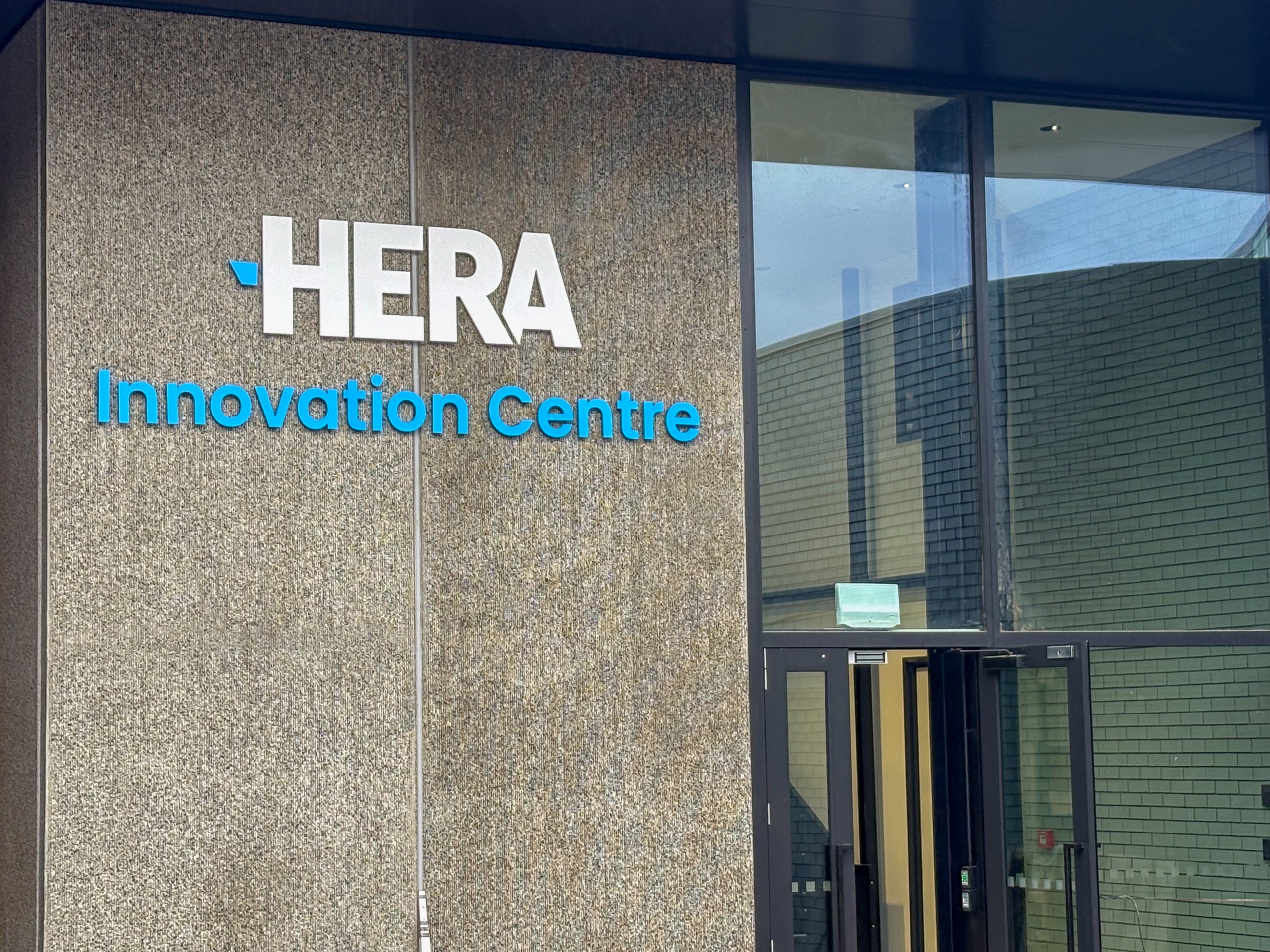
Last week, we finally got to walk inside it.
For years, the HERA Innovation Centre existed as a plan. A set of drawings, a funding case, a conviction that the heavy engineering sector in Aotearoa New Zealand needed a physical home for the future it was building toward. Last week, following our board meeting, we got to stand inside it with the people who built it.
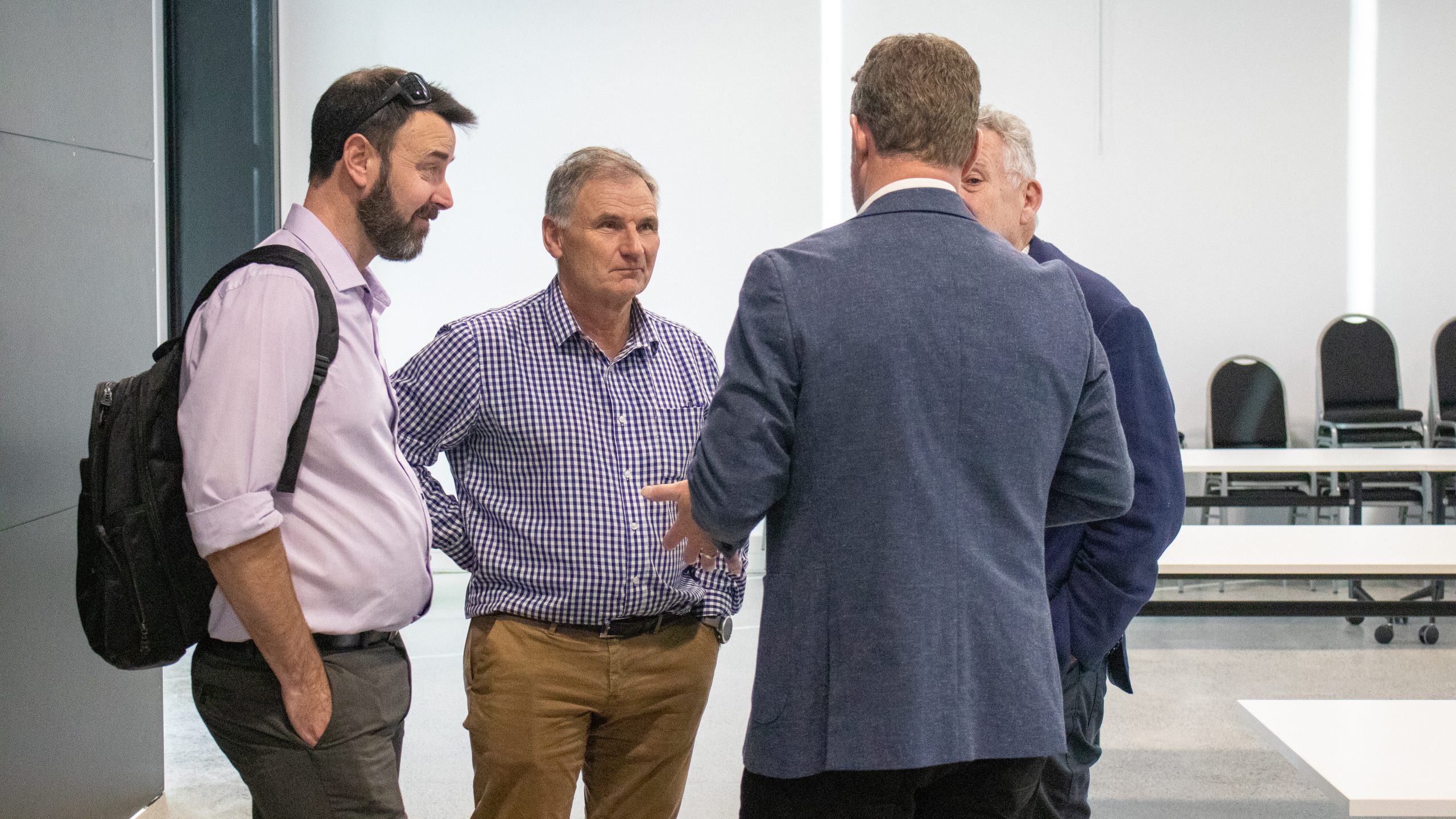
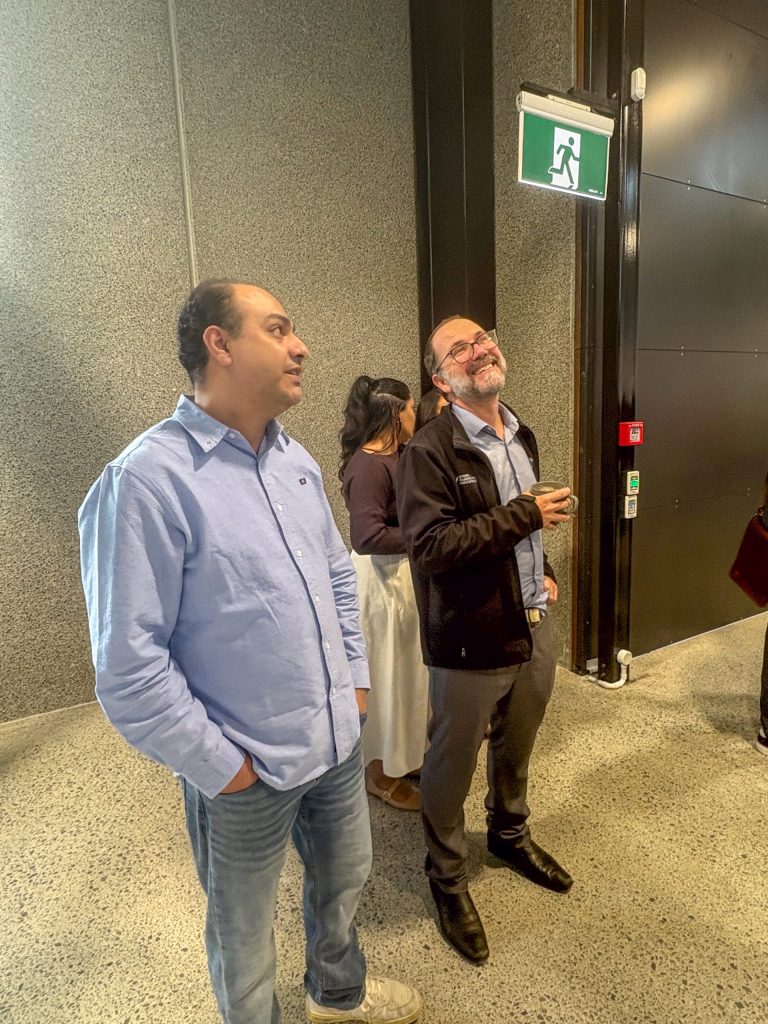
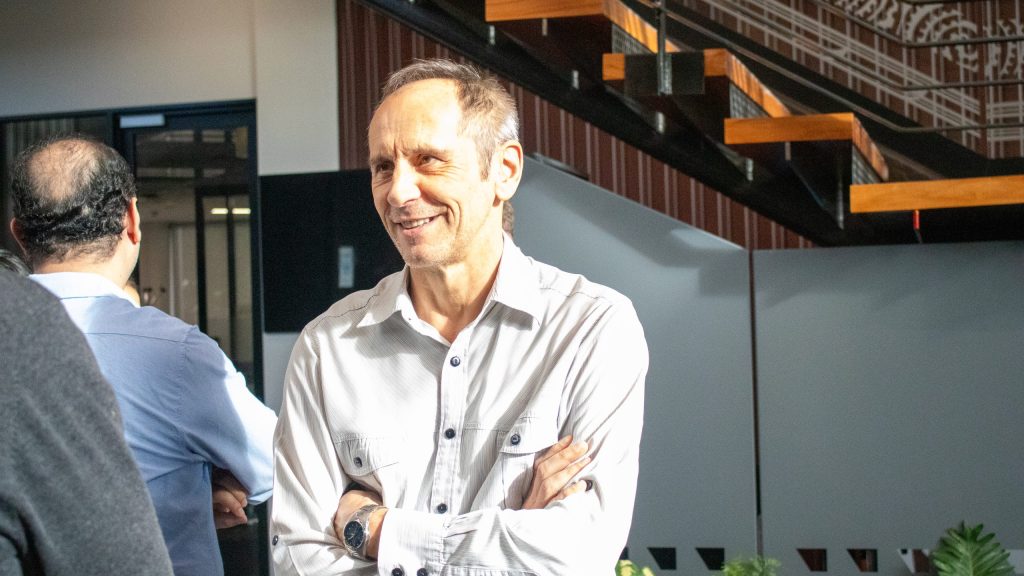
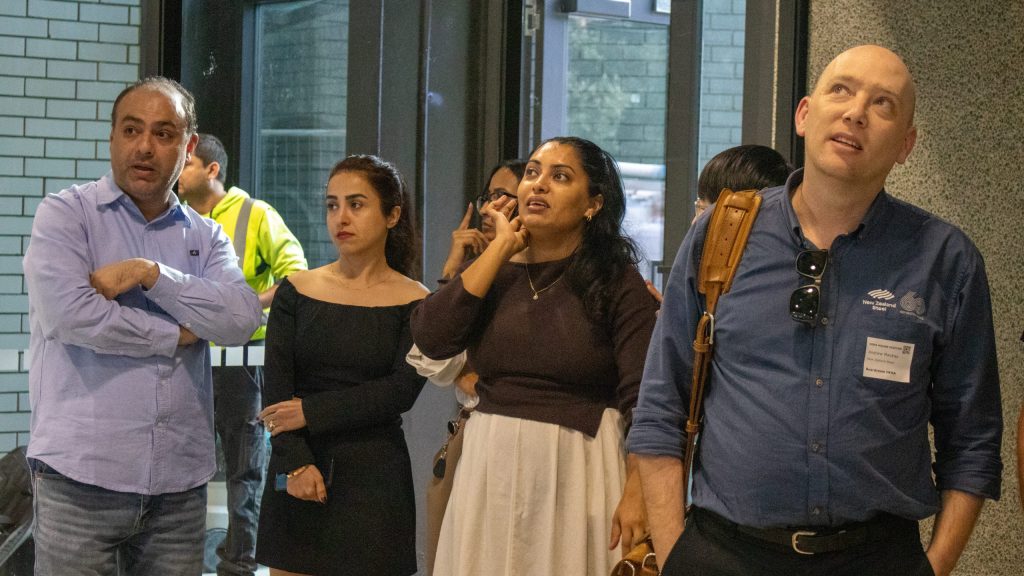
Last week, Clearwater Construction hosted us for an evening to mark the near-completion of the build. The room was full of the people who made it happen; contractors, consultants, suppliers, and subcontractors who gave their skills, time, and materials to bring this building to life. It was the kind of evening that reminds you what a project like this actually takes. Not just the planning and the funding and the design intent, but the people on site every day making it real.
What the centre is
The HERA Innovation Centre is purpose-built for Aotearoa New Zealand’s heavy engineering, manufacturing, and construction sectors. When it opens, members and research partners will have a dedicated space to trial emerging technologies, prototype new approaches, and build capability across Construction 4.0, Fabrication 4.0, AI, digital fabrication, structural health monitoring, and digital twinning. It will serve as a hub where industry can experiment, upskill, and apply Industry 4.0 technology in a real-world setting. It will also anchor HERA’s growing international research partnerships, connecting our members to global networks and knowledge.
This is a place where research and practice meet. Where a fabricator can walk in with a problem and walk out with a tested solution. Where the next generation of engineers can work alongside researchers on the challenges that will define the sector’s next decade.
Built to a higher standard
Construction commenced in FY26, with the building targeting a 6 Green Star Design and As Built rating from the New Zealand Green Building Council. That target reflects a genuine design intent. Every material decision, every system specification, and every choice about how the building will be operated and measured over time has been made with sustainability as a design constraint rather than an afterthought.
The building is intended to function as a living demonstration of what responsible industrial design looks like in practice; a resource not just for HERA, but for the members and partners who will use it to understand what is possible in their own projects.
Walking the talk on environmental accountability
The Centre’s Green Star ambition sits within a broader commitment HERA has been building for several years. We have maintained robust, audited carbon accounts across the last five financial years, providing a clear and credible baseline for identifying, managing, and reducing our operational emissions. Carbon accounting is undertaken using the Ekos Kamahi platform.
In FY26, HERA applied Planetary Accounting to deepen that understanding further. The approach goes beyond carbon alone; translating operational activities into impacts against planetary boundaries and enabling more informed decision-making, transparent disclosure, and systems-level thinking. Dr Troy Coyle, Osama Mughrabi, and Ronita Kishore achieved Planetary Accounting practitioner status in FY26.
We have prepared case studies on this work as practical resources for members who want to apply similar thinking in their own operations.
Want to hear more about what Planetary Accounting means in practice? We sat down to talk through it. – https://youtu.be/PIMH39oA5B4